
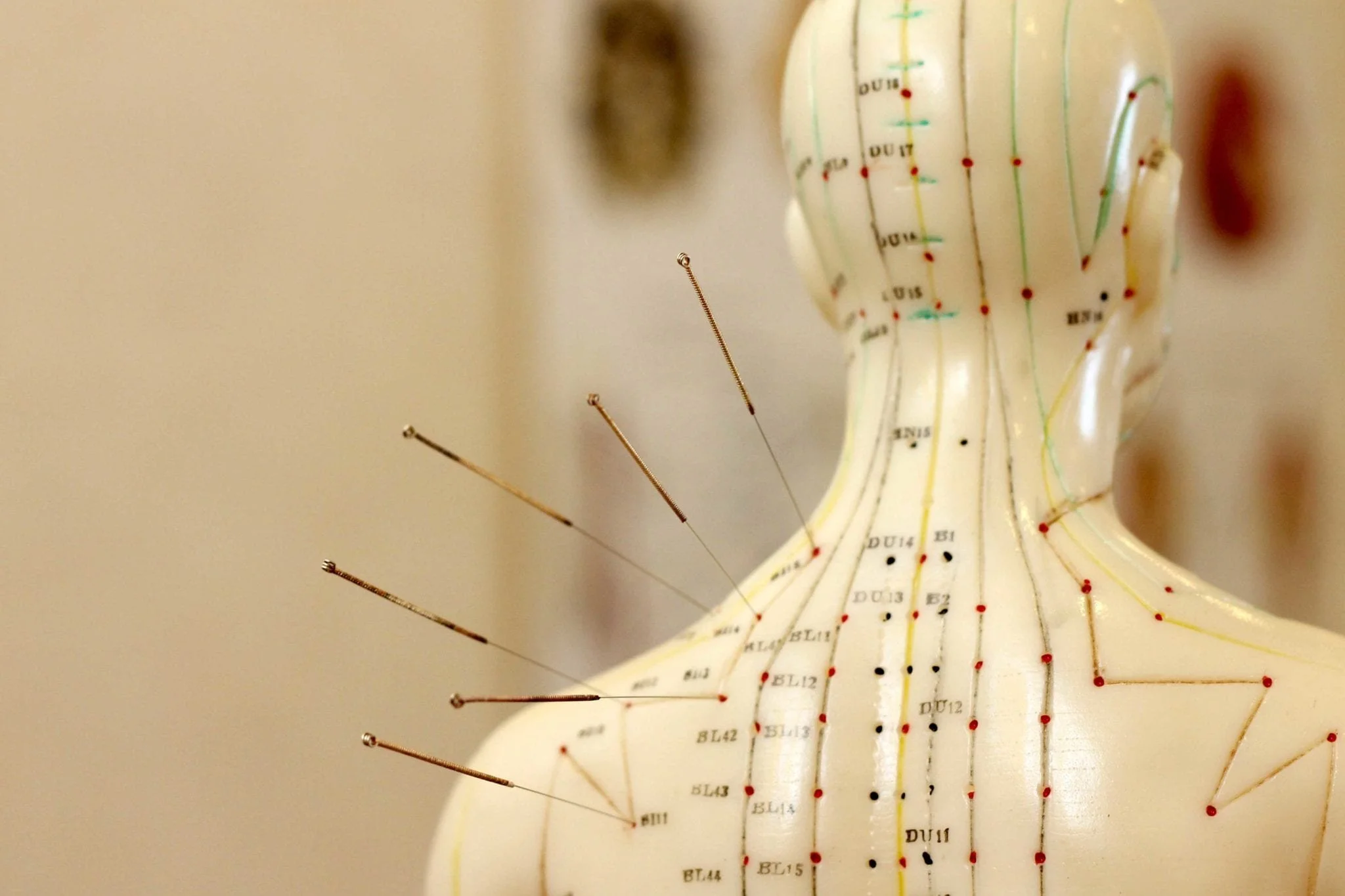
If you’re exploring natural or integrative approaches to pain relief, you’ve likely come across both dry needling and acupuncture. While these treatments may look similar on the surface — both use thin, sterile needles — they serve different purposes and are used in different clinical contexts.
At Macon Acupuncture & Wellness, both modalities are offered intentionally and strategically. Understanding the differences can help you make a more informed decision about your care.
What Is Acupuncture?
Acupuncture is a time-tested medical therapy rooted in East Asian medicine that focuses on restoring balance within the body. It is commonly used to support:
Chronic and acute pain
Headaches and migraines
Stress, anxiety, and sleep issues
Digestive and immune concerns
Hormonal balance and fertility support
Neurological and systemic conditions
Acupuncture works by stimulating specific points on the body that influence the nervous system, circulation, and internal organ function. Rather than treating symptoms alone, acupuncture addresses patterns of imbalance that may be contributing to ongoing discomfort or dysfunction.
Many patients choose acupuncture for its whole-body approach, especially when symptoms are complex, chronic, or involve multiple systems.
What Is Dry Needling?
Dry needling is a musculoskeletal treatment technique used to target trigger points — tight bands of muscle tissue that can cause pain, stiffness, or limited range of motion. It is commonly used for conditions such as:
Neck, back, and shoulder pain
Sciatica
Muscle strains and overuse injuries
Joint and movement-related pain
Sports injuries
Post-surgical muscle tension
Dry needling focuses specifically on muscle dysfunction and movement patterns. The goal is to release tight muscle fibers, improve mobility, and reduce pain caused by mechanical or structural issues.
While it uses similar needles to acupuncture, dry needling is not based on traditional acupuncture theory. Instead, it is grounded in anatomy, biomechanics, and neuromuscular science.
Key Differences Between Dry Needling and Acupuncture
| Acupuncture | Dry Needling |
|---|---|
| Treats the body systemically | Targets specific muscle trigger points |
| Addresses pain and internal imbalance | Addresses musculoskeletal dysfunction |
| Often used for chronic or complex conditions | Often used for localized pain or injury |
| Can support stress, digestion, hormones, fertility | Focuses on movement, mobility, and muscle release |
| Based on traditional acupuncture principles | Based on anatomy and neuromuscular science |
Can Dry Needling and Acupuncture Be Used Together?
Yes — and often with excellent results.
At Macon Acupuncture & Wellness, dry needling and acupuncture are frequently combined within a treatment plan when appropriate. For example:
Acupuncture may be used to calm the nervous system and reduce inflammation
Dry needling may be used to release stubborn muscle tension or trigger points
This integrated approach allows treatment to address both systemic regulation and local musculoskeletal issues, supporting more complete and lasting improvement.
Which Treatment Is Right for You?
The best option depends on:
The nature of your symptoms
Whether pain is localized or systemic
How long the condition has been present
Your overall health history and goals
Some patients benefit most from acupuncture alone. Others respond well to dry needling. Many see the best outcomes when both are used thoughtfully together.
This is why every patient at MAW begins with a clinical evaluation, not a one-size-fits-all treatment.
A Personalized Approach to Pain Relief and Recovery
At Macon Acupuncture & Wellness, care is never rushed or generic. Dr. Sonya evaluates your presentation carefully and recommends the treatment approach that best supports your body — whether that includes acupuncture, dry needling, or a combination of both.
If you’re unsure which option is right for you, a consultation is the best place to start.
Ready to Learn More?
Schedule your consultation to discuss your symptoms and explore the treatment options best suited to your needs.
[Book Now]